Best and Worst Months for Crypto: A 2026 Seasonality Guide
Looking for the Best and worst months for crypto in 2026? We analyze Bitcoin's monthly returns history, reveal the truth about "Uptober," and identify the Best month to buy cryptocurrency for maximum profit.
Best and Worst Months for Crypto: A 2026 Seasonality Guide
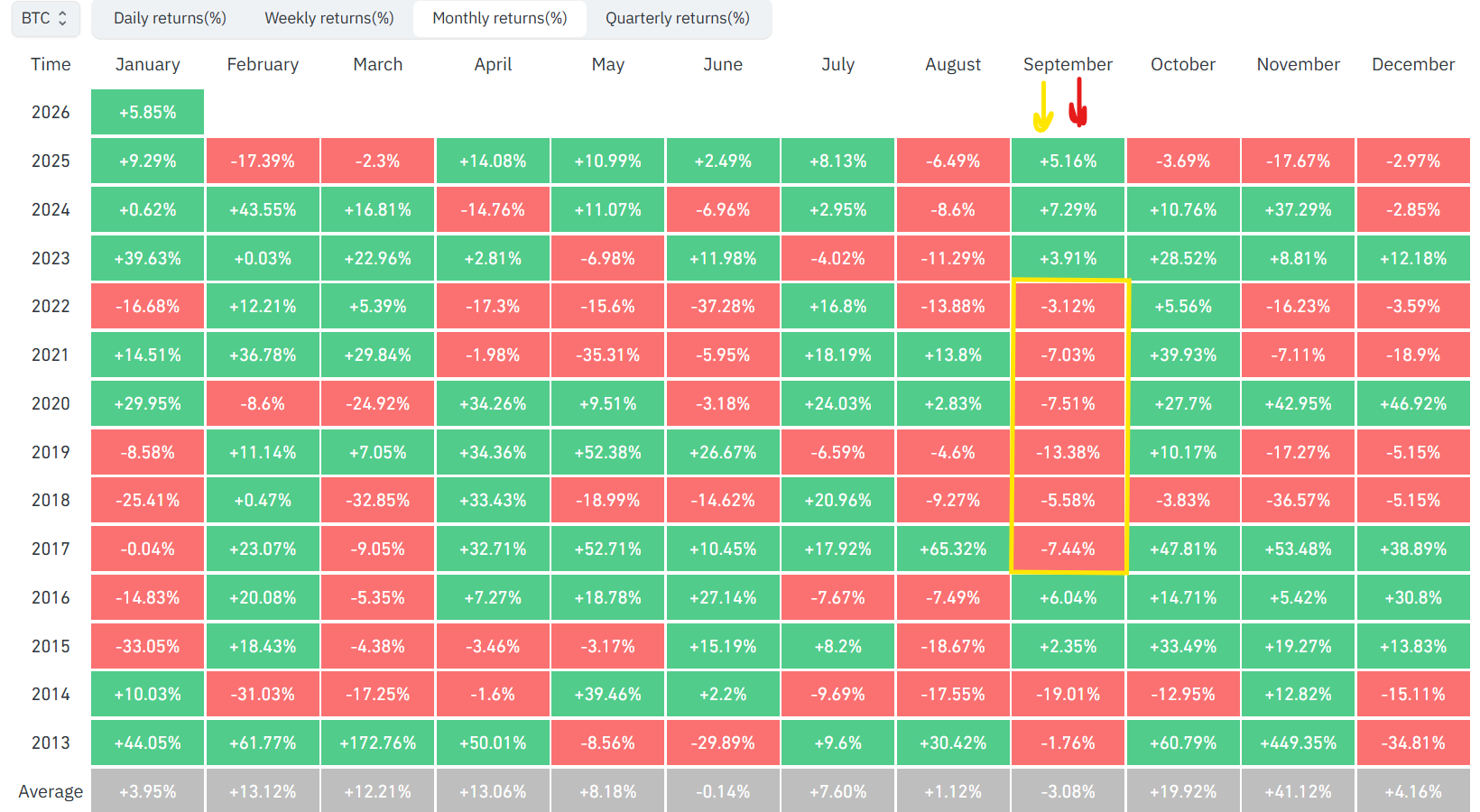
Statistically, September is the most bearish month for the cryptocurrency market. And it is the only month in Bitcoin’s history that averages a negative return (approximately -5%). Historically, Bitcoin has closed "red" in September more than 70% of the time compared to other months. On the other hand, April, October, and November are the strongest months for crypto performance. This period (Oct-Nov) typically marks the beginning of the "Q4 Rally. October: Known as "Uptober," it boasts an average return of over 26%, while November has seen legendary gains (averaging nearly 39%). Historically, October and November are the best months to secure profits on Bitcoin in a post-halving year. See the table below.
Best and Worst Months for Crypto
Let's begin with the Rule of Thumb: The "Buy Red, Sell Green" calendar
Every cycle, millions of retail investors lose money because they buy when the top is reached during euphoria and sell at the bottom in panic. To break this cycle, you must understand that the best and worst months for crypto are not about predicting the future; it is about recognizing the statistical rhythm of institutional and human behavior. While the cryptocurrency market has become more matured in 2026 (thanks to spot ETFs), the "Rektember" fear and "Uptober" greed still provide predictable windows for profit. So, if you are ready to stop chasing green candles and start strategically buying when there is "blood in the streets," this guide is your definitive roadmap to timing the market like a professional.
Look, the crypto market has a pulse. It has a rhythm.
We call this Crypto market seasonality. Just as retail stores know they will make most of their money in December, professional crypto traders know exactly when to be aggressive and when to sit on their hands.
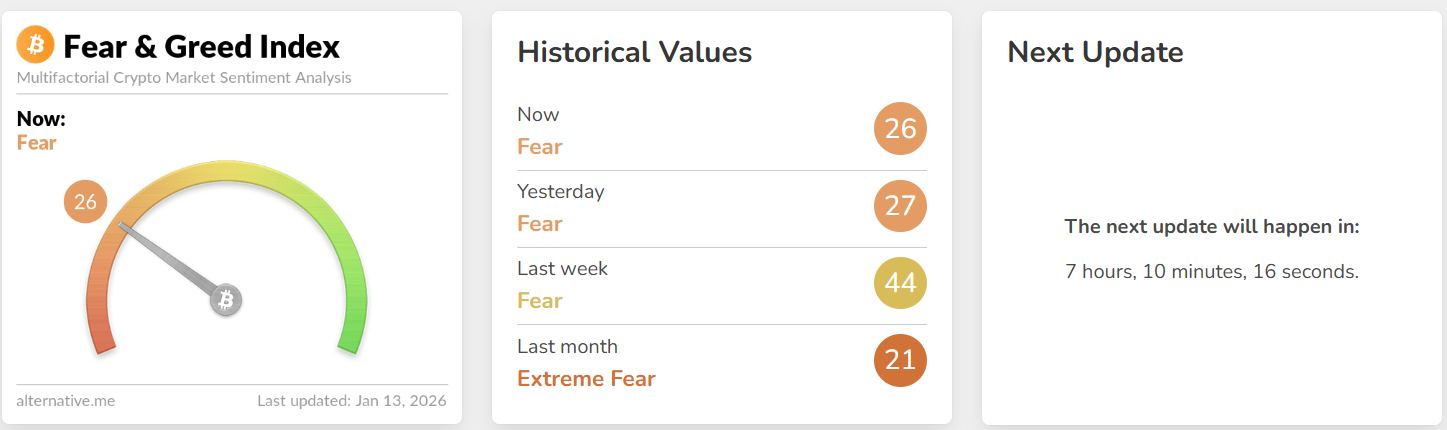
However, in 2026, the game has changed slightly. With giants like BlackRock and Fidelity smoothing out the volatility, we aren't seeing the wild 30% daily swings of the past. But human nature: fear, greed, tax cycles, and holiday bonuses, remains exactly the same. See the Fear & Greed Index in the screenshot below.
So, if you are tired of buying the top and panic-selling the bottom, this guide will show you how to use Bitcoin's monthly returns history to stop guessing and start trading like a business.
The "Worst" Months (The Danger Zone)
The biggest mistake beginners make is trying to trade every single day. The reality is that some months are statistically designed to take your money.
Let Us Analyze the "Rektember" Phenomenon
If there is one month that strikes fear into the heart of every crypto native, it is September—affectionately known as "Rektember."
You may ask, Is September a bad month for crypto? The answer is a definitive yes. Looking at over a decade of data, September is the only month that has closed with negative returns more often than positive ones. See the chart below from Coinglass:
People have frequently asked me, Why is September a bad month for crypto? September is a perfect storm of liquidity drains. Typically, traders return from summer vacations and sell to cover expenses. And mutual funds close their fiscal years and rebalance positions (often selling winners). The Result: Prices bleed slowly. It is a boring, painful, and discouraging month for crypto HODLers.
Let's Also Analyze January and March (The Q1 Slump)
While everyone talks about the "New Year," January and March can be treacherous.
January: Often starts with a hangover. After the holiday pump, traders sell to pay off Christmas debt.
March: This is tax season. In the U.S. and Europe, investors often sell assets to pay their capital gains taxes, leading to what we call the "Tax-Loss Harvest" dip.
The Worst month for Bitcoin price action is usually the time you feel most bored or scared. Now, let's discuss...
The "Best" Months for Crypto (The Profit Zone)
Now, let's talk about making money. If you survive the summer and "Rektember", the calendar rewards you. Let us begin with the "Uptober" Bitcoin trend.
October is legendary for a reason. Known as "Uptober," this month historically kicks off the Q4 bull run. Bitcoin has closed green in October for the vast majority of its history. As the summer ends, institutional desks return to full capacity. They start positioning themselves for the end-of-year bonuses, driving volume and price up.
What About the Santa Claus Rally?
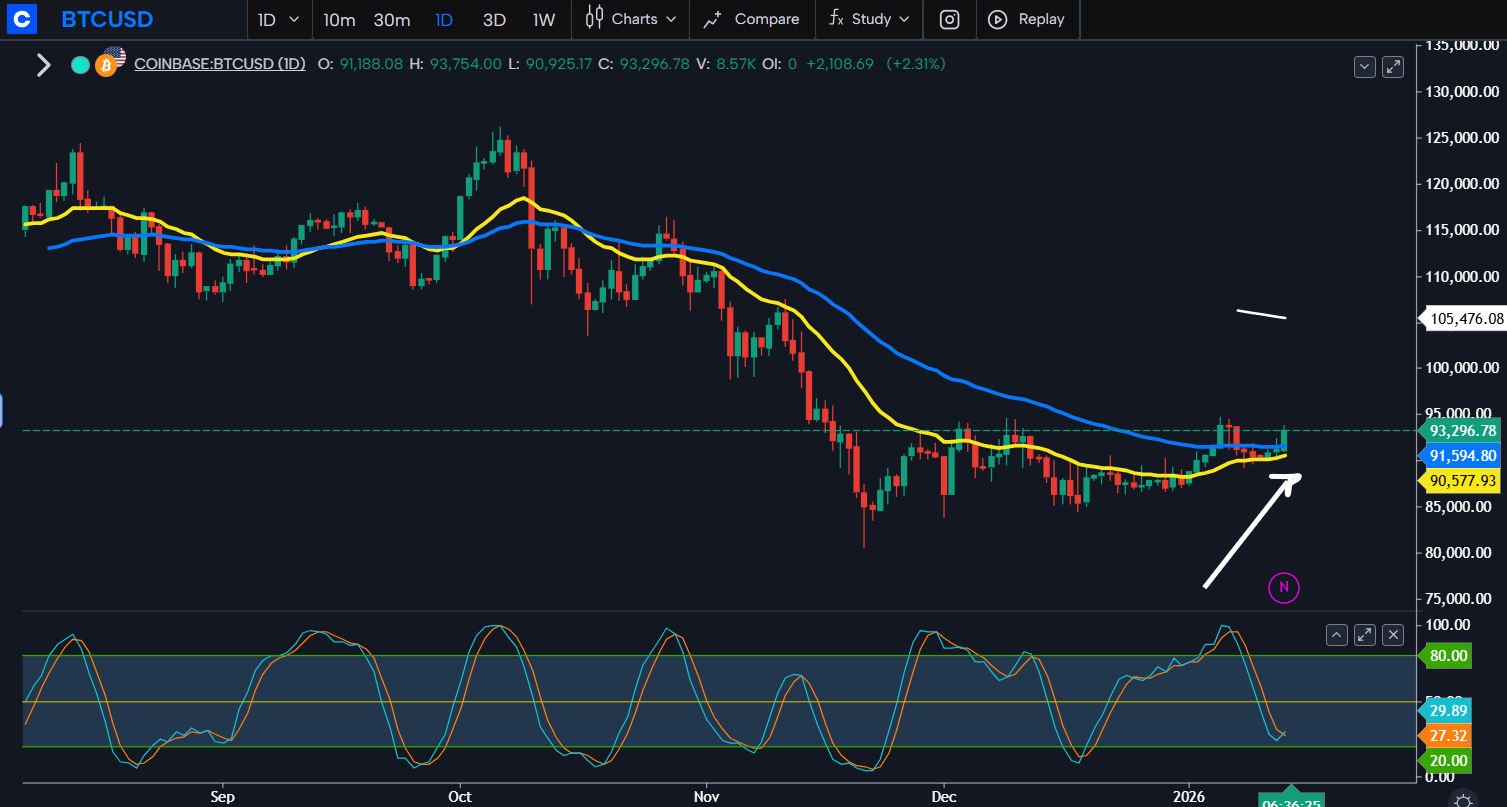
This isn't a myth. The Santa Claus rally crypto phenomenon is real. From mid-December to early January, prices often explode. Why? Optimism for the new year, holiday bonuses flowing into the market, and low-volume trading, where it takes less money to push prices higher. See the chart below: BTC-USD kickstarting a January rally.
November Explosions
If October is good, November is often great. Historically, some of Bitcoin's most explosive upside moves happen in November. It is the month where "window dressing" occurs—funds pump their top assets so their end-of-year reports look impressive to clients. So, it's a good month to secure profits, particularly in a bull market.
We Can't Forget the "Summer Lull" (Sell in May?)
You have likely heard the Wall Street adage: "Sell in May and go away." Does it work for crypto?
In 2026, the answer is "mostly." From May to August, the market often enters a "chop fest." Prices go sideways. They wick up, trapping bulls, then dump down, stopping out bears. This phase requires patience. If you try to trade the Sell in May and go away crypto period aggressively, you will likely die by a thousand cuts (fees and false signals).
Now, let us discuss the solution for perfectly timing the market...
How to Spot the Best Months (Tools & Data)
You don't need to take my word for it. You can see it in the data.
One of the most powerful tools for a trader is the Bitcoin Monthly Return. This chart visualizes the monthly percentage returns of Bitcoin since 2013. See the screenshot below.
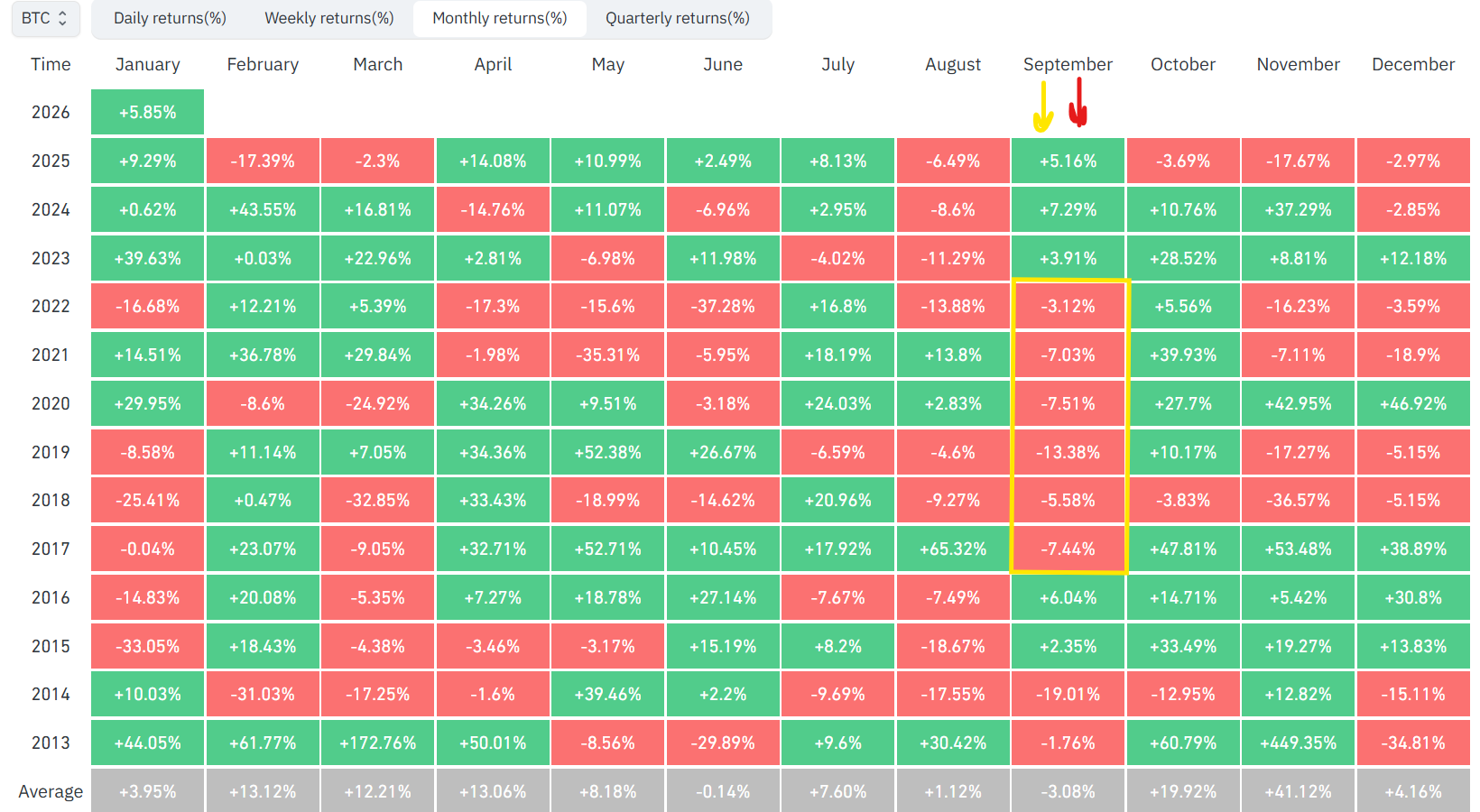
Use this chart to plan your year. If you know March is usually a dip, you won't panic when it happens. Even down to the week, data from Nasdaq suggests that the best days to trade crypto are often mid-week (Tuesday/Wednesday) when volatility is highest, while weekends suffer from low liquidity (fake moves).
The Professional Twist: Accumulation vs. Trading
Most people read this article and think: "Okay, September is bad, so I will sell in August and buy in October." Wrong. If you want to be in the top 5% of winners, you must flip your mindset.
The "Worst" month (September) is actually the Best month to buy cryptocurrency. And the "Best" month (October) is actually the best time to hold or sell.
The Crypto Accumulation Zone
You cannot make a profit if you buy when prices are already high. You make your money by buying when everyone else is crying. Now, here's the strategy that beats the noise:
Professional Strategy: Use the Crypto accumulation zone of August and September to dollar-cost average (DCA) heavily. You are buying the fear. You are providing liquidity to the people who are panicking. This is where our Bitcoin Timing Model comes into play. It indicates the best time to buy, hold, and sell Bitcoin. So, check out the dashboard today for today's reading. When "Uptober" arrives and the retail crowd rushes back in to buy the hype, you are already in profit. You aren't chasing the pump; you are the pump.
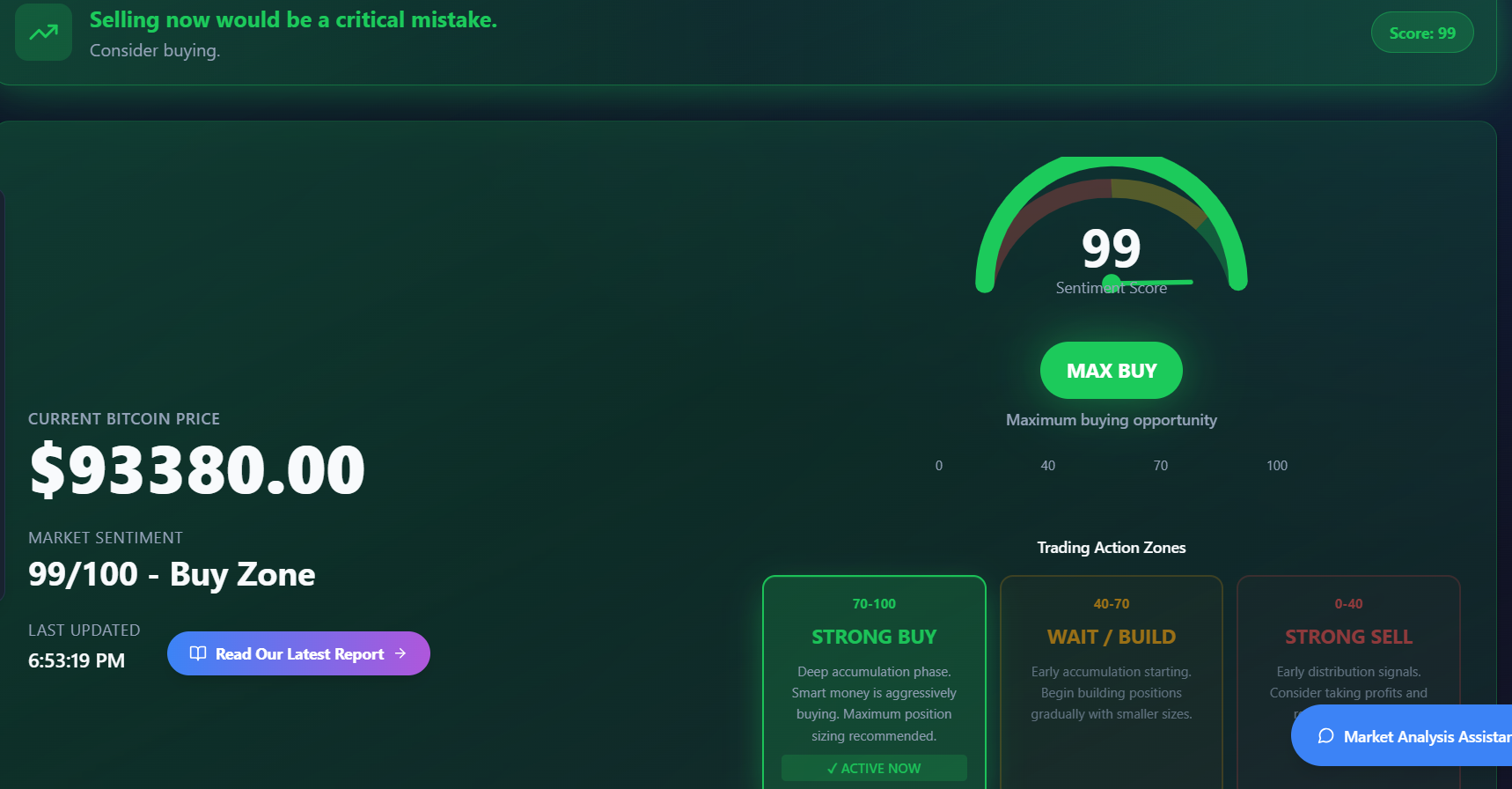
This answers the ultimate question of "How to time the crypto market": The truth is, you don't time the top. You time the bottom by using seasonality to identify when the crowd is wrong. With the BTM tool, you don't have to guess the tops and bottoms. We sell when it displays SELL and buy when it indicates BUY. Click here to visit the dashboard.
Conclusion: Mastering the Cycle
As we look at the Best time to buy Bitcoin 2026, the data remains clear. The institutions may be here, but the human behaviors that drive seasonality haven't changed. We are likely looking at a choppy Q1, a boring summer, a scary September, and a euphoric Q4.
But remember, Seasonality is a tool, not a crystal ball. Blindly buying in September doesn't guarantee a win if the global economy crashes. To truly succeed, you need to combine this calendar edge with technical analysis and a robust risk management plan.
So, Stop Guessing. And Start Profiting.
Don't just rely on the calendar. You can master the charts. If you want to learn exactly how to identify these accumulation zones and trade the Q4 breakouts like a pro, using simple indicators and market structures, grab your copy of The Crypto Traders' Handbook today. Stop gambling on dates and start trading the data.
Frequently Asked Questions: Crypto Seasonality & Timing
1. Is there a single "best" month to buy cryptocurrency? Historically, September is the best month to buy because it is statistically the "worst" month for price performance. Professional investors look for the "Rektember" dip to accumulate assets at a discount before the Q4 rally begins.
2. What does "Uptober" mean for Bitcoin? "Uptober" is a popular crypto term referring to the historical tendency for Bitcoin and altcoins to perform exceptionally well in October. Since 2013, October has seen positive returns over 80% of the time, often serving as the launchpad for a year-end bull run.
3. Why is September historically a bad month for crypto? September’s poor performance (averaging -5%) is usually driven by institutional rebalancing, tax-loss harvesting, and a general "liquidity drain" as traders return from summer vacations and settle their books for the fiscal year-end.
4. What is the "Santa Claus Rally" in crypto? The Santa Claus Rally refers to a surge in prices during the last week of December and the first two weeks of January. This is often fueled by holiday bonuses, New Year optimism, and "window dressing" where fund managers pump their top assets to show better year-end results to clients.
5. How does the 4-year halving cycle affect monthly seasonality? In post-halving years (like 2025/2026), seasonality tends to be more aggressive. The "Summer Lull" is often shorter, and the Q4 rallies are typically much more explosive as the supply shock of the halving begins to meet rising institutional demand.
6. Is "Sell in May and go away" a good strategy for crypto? In crypto, May through August is often a "chop fest" (sideways movement). While not always a crash, it is a period of low volume where impatient traders often lose capital to fees. Many professionals "go away" (reduce trading size) during this time to preserve capital for the October surge.
7. Which are the best days of the week to trade crypto? Data suggests that Tuesday through Thursday are the best days for active trading. This is when global financial hubs (London and New York) overlap, creating the highest liquidity and the most "legitimate" price moves.
8. Why should I be cautious of "Weekend Pumps"? Weekends suffer from low liquidity because institutional desks and banks are closed. This makes it easier for "whales" to manipulate prices with smaller amounts of capital. Most weekend price moves are "fakeouts" that get corrected once the Monday morning session opens.
9. Can Bitcoin ETFs change these historical monthly patterns? Yes. In 2026, Spot ETFs have institutionalized Bitcoin, which can smooth out some volatility. However, ETFs also introduce "forced flows"—if the stock market dips, ETFs may be forced to sell Bitcoin, which can occasionally override traditional seasonal patterns.
10. How can I tell if a "bad month" is a dip or a crash? This is where skill beats the calendar. Use a Bitcoin seasonality chart to see if the drop aligns with historical norms (like a 5-10% September dip). If the drop exceeds 20% during a "good" month like October, it may indicate a fundamental shift rather than a seasonal correction.
P.S. Need More Help and Resources?
Buy and sell crypto on Bybit, my preferred crypto exchange.
Download the Crypto Traders’ Handbook
Download Your AltSeason Blueprint
Upgrade Your Subscription to receive a copy of the BTM user’s guide.