Cryptocurrency vs Bitcoin vs Blockchain: Core Differences
Confused by crypto jargon? Learn the exact difference between cryptocurrency, Bitcoin, and blockchain using a simple framework to understand digital assets.

Cryptocurrency vs Bitcoin vs Blockchain: The Core Differences Explained
The key difference among cryptocurrency, Bitcoin, and blockchain is that blockchain is the underlying digital ledger technology, cryptocurrency is the digital asset that runs on that technology, and Bitcoin is simply one specific type of cryptocurrency. You cannot have Bitcoin without cryptocurrency, and you cannot have cryptocurrency without a blockchain, but they are three distinct concepts.
To keep it simple, let us use this mental model:
Blockchain is the operating system (like iOS or Android).
Cryptocurrency is the concept of a mobile app.
Bitcoin is one specific app (like WhatsApp or Spotify).
Concept Comparison Matrix
Blockchain vs Cryptocurrency: Infrastructure vs Asset
Blockchain technology is a type of database that stores data in blocks, chains them together chronologically, and distributes them across a decentralized network of computers. It serves as the underlying infrastructure.
When you hear about a blockchain, you are hearing about a record-keeping system. No single entity controls this database. Instead, thousands of computers (nodes) verify the data. While blockchain is famous for supporting financial transactions, the same technology tracks supply chain logistics, secures medical records, and executes automated digital contracts.
Cryptocurrency is a financial asset that requires a blockchain to function. Cryptocurrencies use the blockchain ledger to record exactly who owns what and to ensure that a digital coin cannot be spent twice. If the blockchain is the secure digital highway, cryptocurrency is the money traveling on it.
Bitcoin vs Cryptocurrency: The First vs The Market
Bitcoin is a cryptocurrency, but not all cryptocurrencies are Bitcoin. Bitcoin (BTC) was created in 2009 by the pseudonymous Satoshi Nakamoto. It was the first system to solve the "double-spending" problem without a central server, proving that decentralized digital money could work.
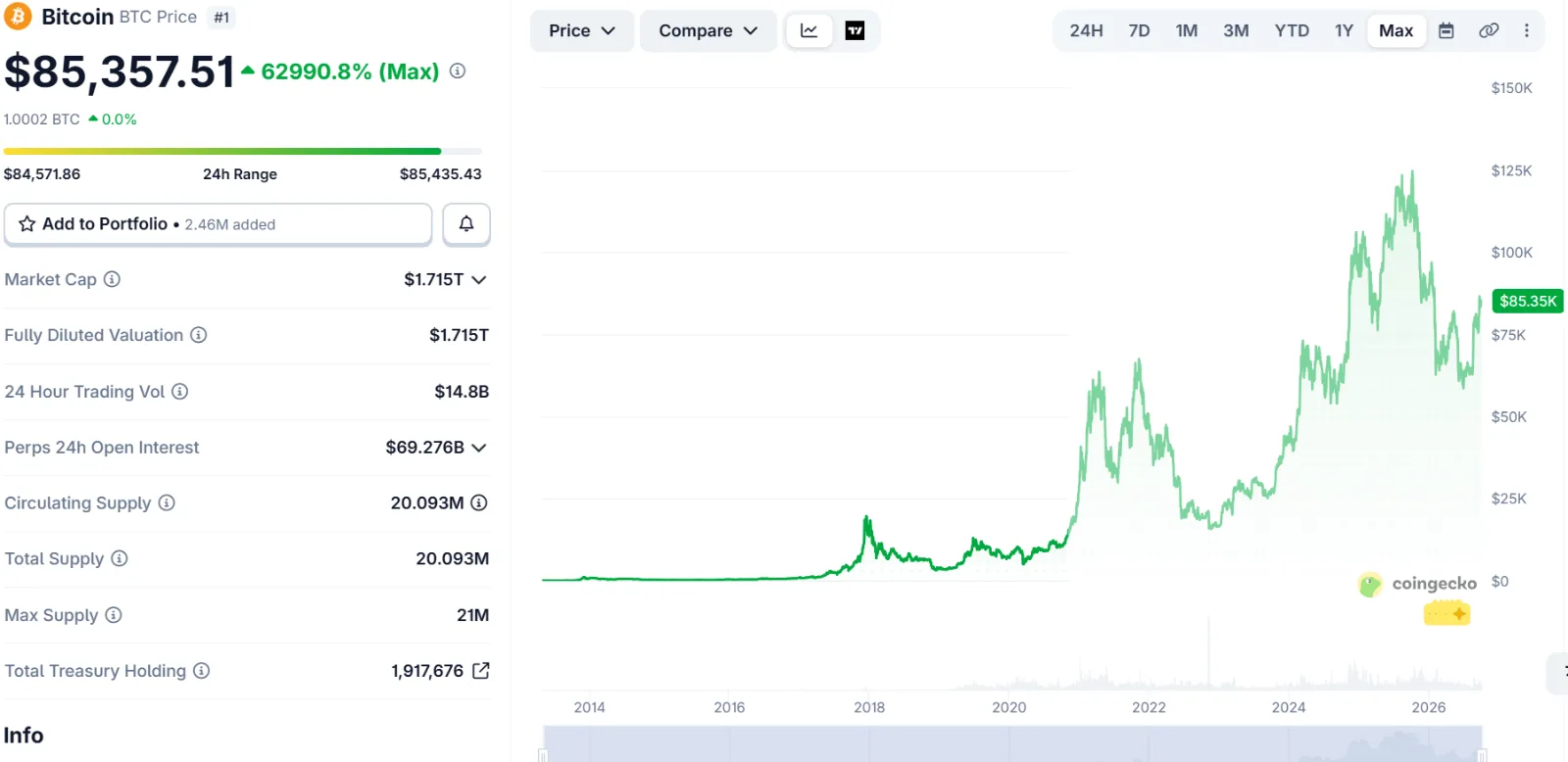
Today, Bitcoin remains the largest digital asset by market capitalization and is primarily viewed by investors as a decentralized store of value or "digital gold."
The term "cryptocurrency" encompasses Bitcoin and tens of thousands of other digital assets (often called altcoins). These include Ethereum (ETH), which supports smart contracts, and stablecoins like USDC, which are pegged to traditional fiat currencies.
Click here to join Bybit and claim your sign-up bonus!
Understanding the Financial Reality
Separating the technology from the asset is essential for risk management. Blockchain is a mathematically secure data structure. Cryptocurrencies, including Bitcoin, are highly volatile financial instruments.
Investing in Bitcoin or any cryptocurrency carries a significant risk of capital loss. Prices can fluctuate sharply due to market sentiment, macroeconomic factors, and regulatory announcements. While the blockchain itself is difficult to hack, the third-party exchanges and wallets where you buy and store cryptocurrencies are vulnerable to theft and fraud. Always consult primary regulatory guidance in your jurisdiction before allocating funds to digital assets.
(9) FAQ
What is the difference between cryptocurrency vs token?
A cryptocurrency (or coin) has its own dedicated blockchain, such as Bitcoin or Ethereum, and is primarily used to pay network fees or as a medium of exchange. A token is built on top of an existing blockchain (usually Ethereum) and often represents a specific utility, voting right, or digital asset.
Can blockchain exist without cryptocurrency?
Yes. Private or enterprise blockchains use distributed ledger technology to track internal data, supply chains, or secure records without issuing a public cryptocurrency. The technology operates independently of financial speculation.
Is Bitcoin the only cryptocurrency that uses blockchain?
No. Almost all cryptocurrencies use some form of blockchain or distributed ledger technology. Examples include Ethereum, Solana, and Cardano. Each runs on its own blockchain network with distinct rules, speeds, and security models.
Why is cryptocurrency so volatile compared to blockchain?
Blockchain is just software infrastructure; it has no financial price. Cryptocurrency derives its price from supply and demand in open markets. Because the market is relatively new, has less liquidity than traditional equities, and faces uncertain global regulation, price swings are severe.
Click here to join Bybit and claim your sign-up bonus!
Related Articles: