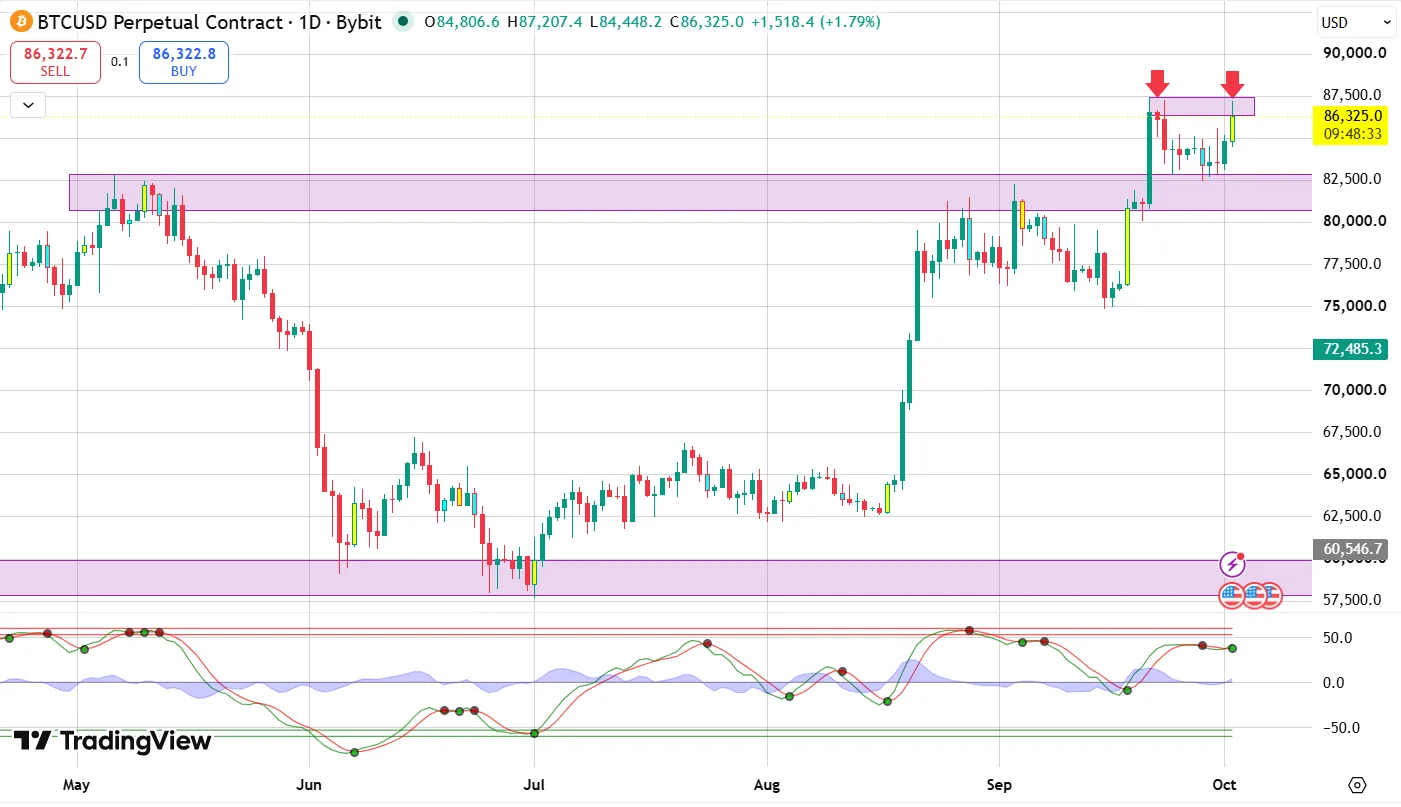
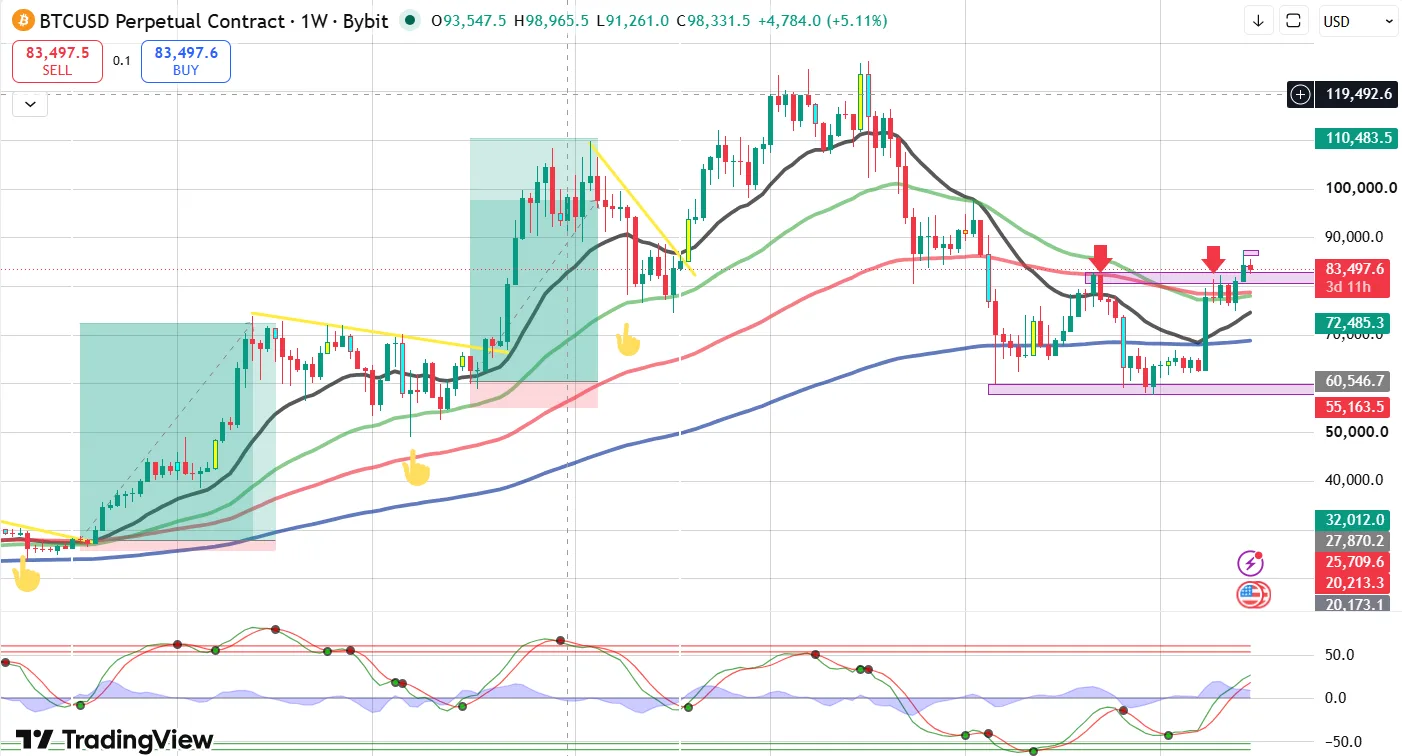
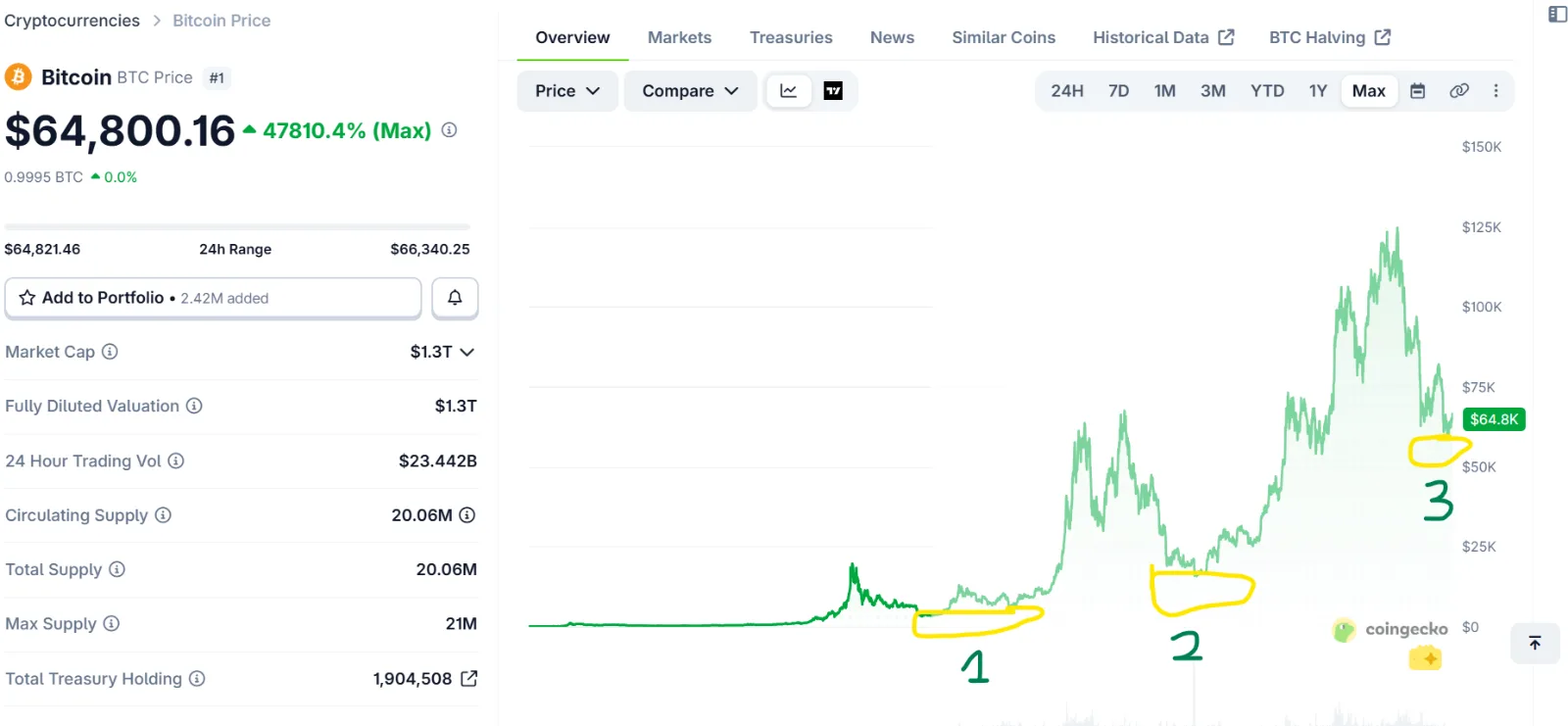
The Bitcoin Timing Model vs. Stock-to-Flow: Which is Better for Long-Term Investors?
A deep dive into why relying solely on scarcity (PlanB’s S2F) might be costing you gains, and how a multi-factor approach (Bitcoin Timing Model) offers clearer signals for the mid-to-long term investor.
The Bitcoin Timing Model vs. Stock-to-Flow: A Comprehensive Comparison for Smart Investors
Today, we will compare the Bitcoin Timing Model with the Stock-to-Flow (S2F) model. If you invested in Bitcoin during the 2020–2021 bull run, you likely remember "PlanB," the creator of the Stock-to-Flow model.
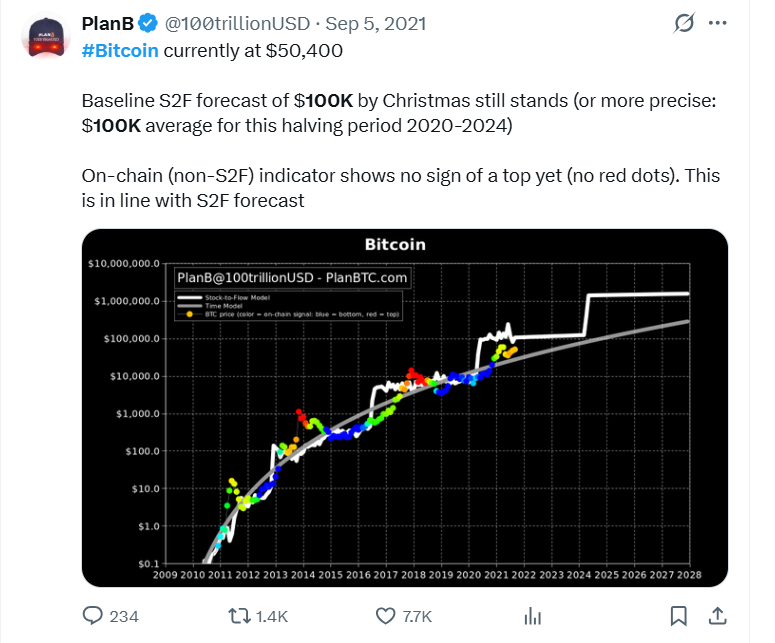
This model offered a sense of mathematical certainty, claiming that as Bitcoin's supply became scarcer, the price was expected to rise above $100,000 by December 2021. For many of us, it felt like the definitive guide of that cycle. We watched the price soar, experienced the euphoria, but never sold. Why would we? The S2F model suggested the top wasn't in yet. Even when Bitcoin traded above $69,000, we held and waited for a $100,000 price target.
Then, suddenly, the reality of 2022 hit. The $100k target never materialized, and those who held on "blindly" watched their portfolios bleed out 70-80% during the 2022 brutal bear market. In the chart below, PlanB predicted a $100k Bitcoin by Christmas in 2021. But it never happened.
Now, let us analyze the flaws
The Stock-to-Flow model is a rigid valuation model based on scarcity. Sure, it’s a beautiful long-term narrative, but it is a silent partner during the volatile weeks and months where actual wealth is either made or lost. It tells you where Bitcoin should be in four years, but it tells you nothing about whether you should be buying or protecting your capital today.
This is why we created an alternative: The Bitcoin Timing Model (BTM)
In a market now dominated by institutional ETFs and complex macro shifts, we need more than a supply schedule. We need the Bitcoin Timing Model to track on-chain data and market sentiments. The BTM, on the other hand, is an actionable, dynamic tool designed to handle weekly market moves by tracking what actually moves the needle: Smart Money.
While S2F provides a compelling story for why Bitcoin is valuable, the Bitcoin Timing Model provides the actionable signals (Buy, Sell, Wait) that actually protect your hard-earned capital.
Now you may ask...
What is the Stock-to-Flow (S2F) Model?
The Stock-to-Flow (S2F) model treats Bitcoin like "digital gold." It calculates a ratio by dividing the current Stock (total supply) by the Flow (annual production/new coins mined). The higher the ratio, the higher the scarcity, and theoretically, the higher the price. Again, in the screenshot below, PlanB predicted a $250k-$500k per Bitcoin. But it didn't happen.
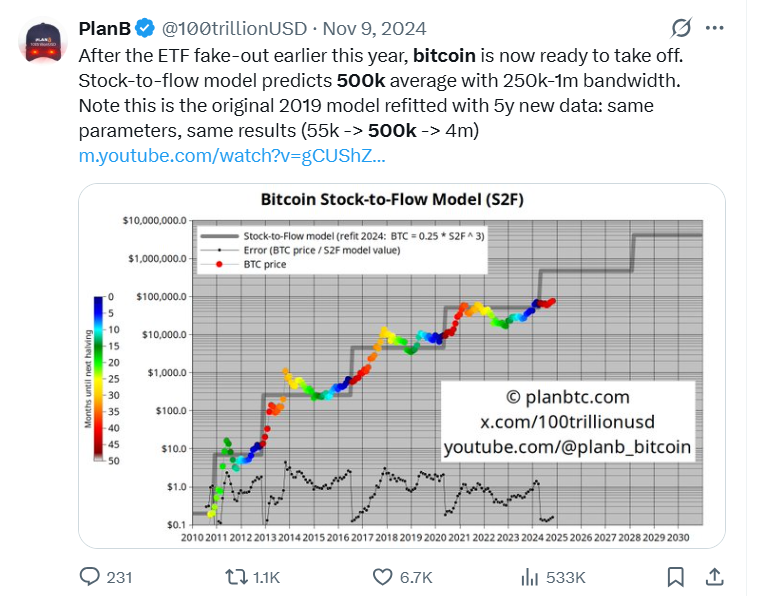
You see, the S2F model is built on the "Halving Narrative." Every four years, Bitcoin’s production is cut in half, creating a supply shock. Hence, S2F argues that these shocks are the primary engine behind Bitcoin’s massive price rallies.
But it's wrong.
As we enter 2026, the cracks in the Stock-2-Flow model are impossible to ignore:
It Ignores Demand: In my view, scarcity is irrelevant if buyers disappear. But S2F doesn't account for whether people actually want to buy Bitcoin at a given price.
It Ignores Macroeconomics: It treats Bitcoin as if it exists in a vacuum, ignoring interest rates, inflation, and global liquidity.
After spectacularly missing its 2021 targets and struggling to predict the "ETF-led" nuances of 2024 and 2025, many investors have realized that a supply-only model is no longer enough to manage risk. But, the Bitcoin Timing Model system takes those factors into consideration.
What is the Bitcoin Timing Model?
The Bitcoin Timing Model wasn't built to predict a "moon shot" price for five years from now. No, it's not a price prediction model. It was built to analyze the current health of the market so you can make informed decisions in the present.
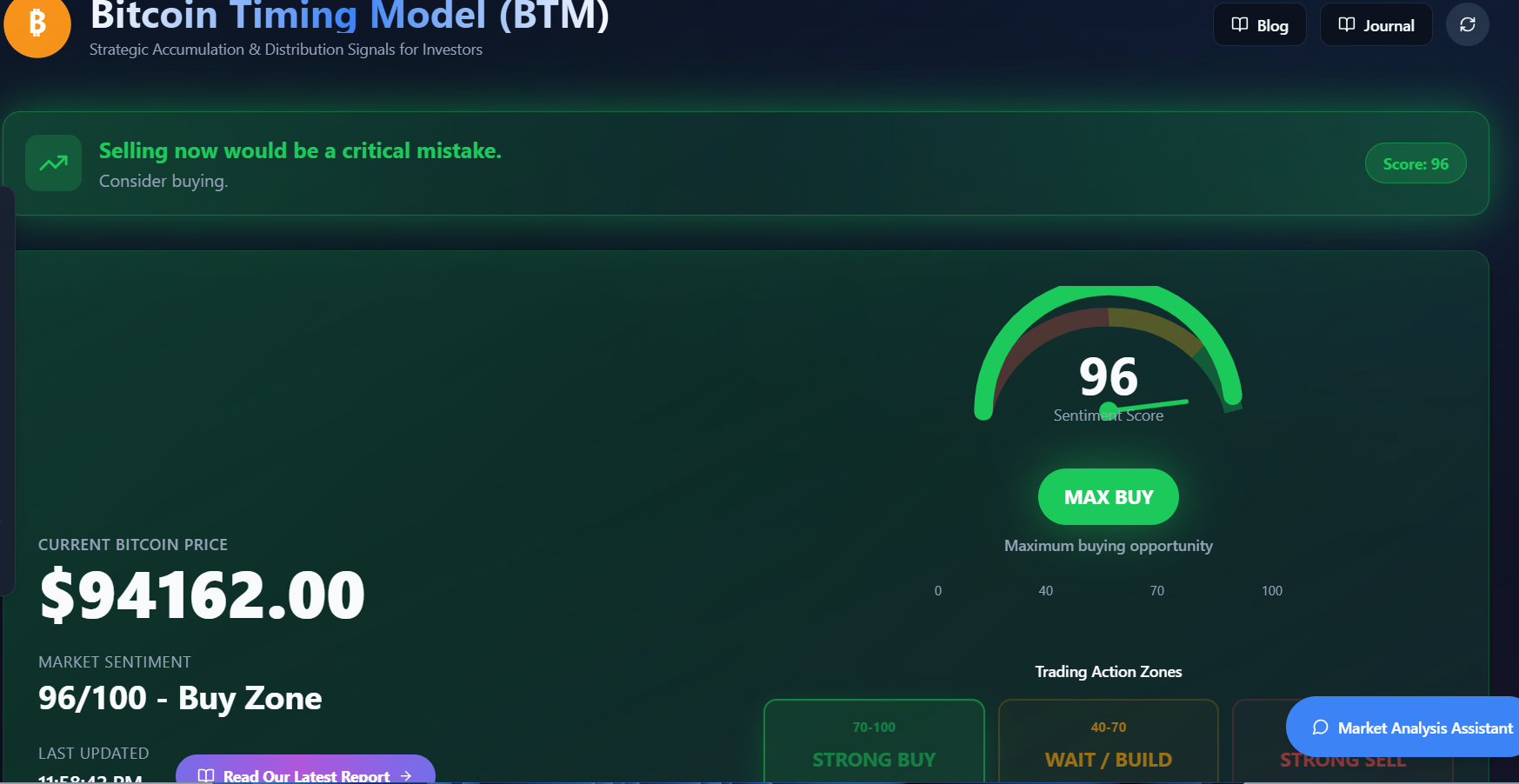
The BTM is a mid-to-long-term tool that focuses on Accumulation vs. Distribution. Instead of looking at how many coins are mined, it looks at how many coins are being moved by "Smart Money" (whales and institutions). See the screenshot below.
Now, Let's Analyze the Key Features:
Dynamic Sentiment Score: Most sentiment tools are erratic. But this uses linear interpolation to provide a smooth, non-volatile reading (0-100), helping you stay calm when the rest of the market is panicking. See the screenshot above.
Phase History Chart: A 14-week view that shows you exactly when the market shifted from "Smart Money buying" to "Smart Money exiting."
Signal Confidence Indicator: Not all "Buy" signals are equal. This percentage tells us how many indicators are in alignment, giving you the conviction to act.
S2F vs. Bitcoin Timing Model
While both models aim to help investors, they fundamentally disagree on what drives price. One relies on the physics of supply, while the other relies on the psychology of the market.
Philosophy: Scarcity vs. Smart Money Flow
S2F: Believes supply shocks are the only driver. It is static and rigid. If the price isn't following the line, the model simply says "wait longer."
Bitcoin Timing Model: Believes price is driven by the battle between Accumulation and Distribution. It is dynamic and responsive, recognizing that "Smart Money" often buys and sells months before the "Halving" actually happens.
Actionability: "Diamond Hand" vs. "Buy, Sell, Wait"
S2F: Offers a theoretical target. It effectively has only one signal: "Hold Forever." This is how people get trapped at the top of a cycle.
Bitcoin Timing Model: Offers specific weekly signals.
Example: S2F might say "Hold to $100k," but the Bitcoin Timing Model might signal a "SELL" at $90k because it detects whales distributing their coins. It prioritizes your profit over a theoretical chart.
Timeframe: The 4-Year Cycle vs. The Weekly Pulse
S2F: Too slow for modern markets. You get "updates" after several months or once every four years.
Bitcoin Timing Model: Operates on weekly timeframes. It’s the perfect middle ground—slow enough to ignore daily noise, but fast enough to get you out before a 50% crash.
Model Comparison: S2F versus BTM
Why the Bitcoin Timing Model is Safer for Investors
If the last few years have taught us anything, it's that "HODL" is not a risk-management strategy. It’s a hope-based strategy. Here's a better solution:
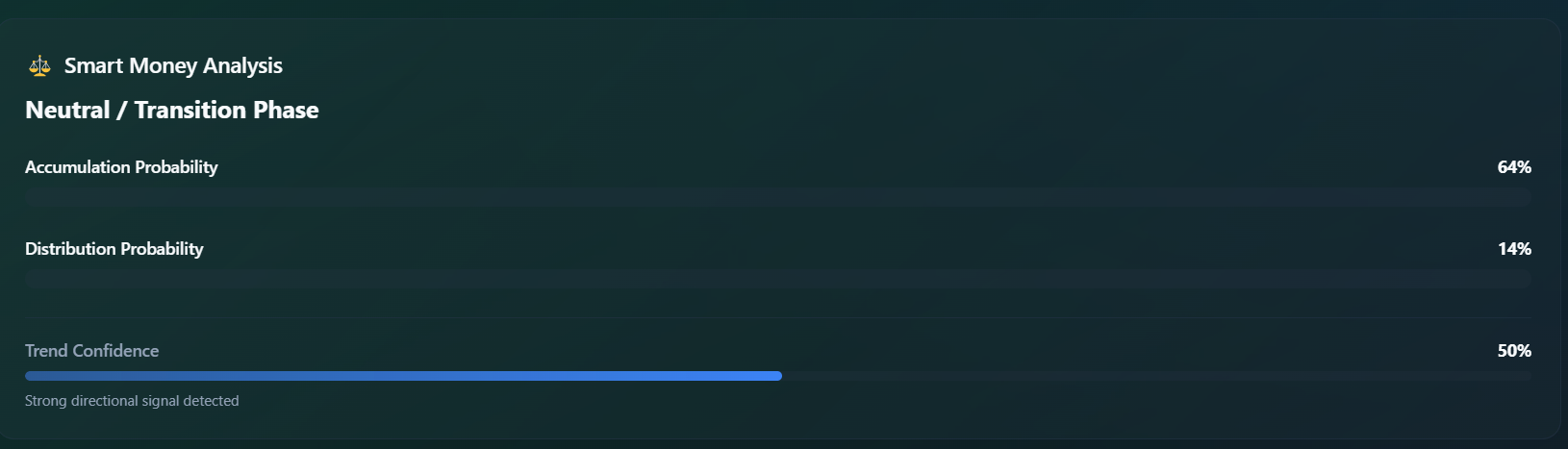
Avoiding the "HODL" Trap: The Bitcoin Timing Model’s Smart Money Meter identifies when whales are exiting before the price collapses. It permits you to take profit, something S2F never does.
No Complex Indicators: You don't need a degree in technical analysis. The Insight Box tells you exactly where the "Bounce" and "Rejection" zones are, offering model suggestions in plain English.
The AI Advantage: S2F is a static image. The Bitcoin Timing Model features an AI Market Assistant—a conversational partner that can explain current market conditions and help you interpret the signals in real-time.
Who Should Use the Bitcoin Timing Model?
The "Recovering" Maximalist: If you held through the 2021 top because a chart told you to, this tool is your path to never making that mistake again.
The Busy Professional: You don’t have time to stare at 1-minute candles. You need a weekly pulse check that takes 5 minutes to read but protects your entire portfolio.
The Data-Driven Investor: You value Real-time Alerts and a Trading Journal over "hopium" tweets and 4-year-old supply charts.
Conclusion: Moving Beyond Scarcity
Stock-to-Flow was a great tool for the early days of Bitcoin, but the market has matured. In 2026, Bitcoin is a global macro asset. Scarcity is the foundation, but flow, sentiment, and smart money are the house.
Stop being a passenger to a supply schedule. It’s time to start timing your investments with a model that actually looks at the data that matters.
Don't invest blindly based on a 4-year-old theory. Get actionable, weekly data that adapts to the market right now.
Thanks for reading.
P.S. Need More Help and Resources?
Buy and sell crypto on Bybit, my preferred crypto exchange.
Download the Crypto Traders’ Handbook
Download Your AltSeason Blueprint
Upgrade Your Subscription to receive a copy of the BTM user’s guide.