How to Start Cryptocurrency Trading vs Investing: Beginner Guide
Learning how to start cryptocurrency trading requires balancing active chart strategies against passive long-term investing. Discover which path fits your risk profile, time commitment, and tax burden.

How to Start Cryptocurrency Trading vs. Long-Term Investing: Which Approach Makes Sense for Beginners?
To understand how to start cryptocurrency trading effectively, you must choose between active short-term speculation on price swings or passive long-term asset accumulation through dollar-cost averaging. Active trading requires daily chart monitoring, technical analysis, and strict risk parameters, whereas investing focuses on fundamental value over multi-year cycles. For most beginners, passive long-term investing yields higher net returns after accounting for exchange fees, slippage, and short-term capital gains taxes.
How to Start Cryptocurrency Trading: Core Principles and Mechanics
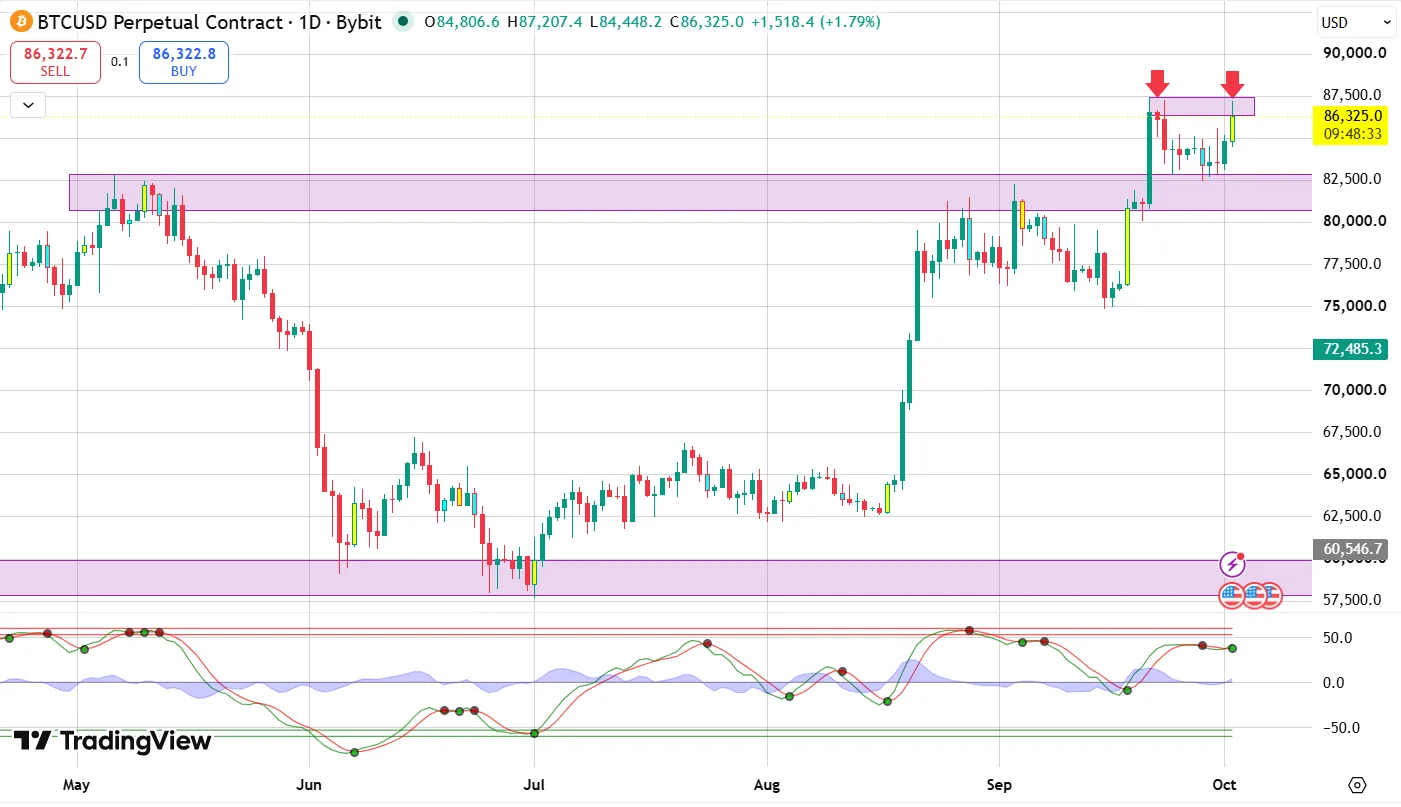
Learning how to start cryptocurrency trading involves executing buy and sell orders on digital asset exchanges to profit from price volatility over short timeframes. Traders rely on chart patterns, technical indicators like RSI and MACD, and risk controls such as stop-loss orders to capture short-term price movements across market cycles.
Active trading breaks down into three primary styles:
Day Trading: Opening and closing positions within a single 24-hour period to avoid overnight market exposure.
Swing Trading: Holding positions for days or weeks to capture medium-term market trends driven by momentum or news.
Scalping: Executing dozens of ultra-short trades per day to skim micro-profits from order book spreads.
Executing an active trading plan requires three structural components:
Technical Analysis Setup: Establishing charts with moving averages, support and resistance lines, and volume profile indicators.
Execution Exchange: Using platforms like Coinbase Advanced, Binance, or Kraken to execute limit and stop orders with low fee tiers.
Capital Management: Never risking more than 1% to 2% of total trading account equity on a single trade setup.
Want to learn how to read charts and candlestick patterns like a pro trader? Click here to download the Crypto Trader's Handbook to get started.
How to Start Cryptocurrency Investment: The Passive DCA Approach
Understanding how to start cryptocurrency investment centers on accumulating high-conviction digital assets over extended horizons. By using dollar-cost averaging (DCA), investors purchase fixed dollar amounts of crypto at regular intervals regardless of price, neutralizing emotional bias and reducing average cost basis over time.
Long-term investing eliminates the constant pressure of reading market charts. Rather than guessing daily market tops and bottoms, investors buy assets like Bitcoin or Ethereum on a set schedule.
How to build a passive crypto dollar-cost averaging strategy:
Asset Selection: Limit core holdings to established assets with strong network effects and deep liquidity.
Schedule Automation: Set up recurring daily, weekly, or bi-weekly automated buys on a reputable exchange.
Self-Custody Transfer: Periodically move assets off exchanges into hardware cold storage wallets to eliminate counterparty risk.
Side-by-Side Comparison: Trading vs Investing
Choosing between these two approaches requires evaluating time requirements, stress, operational costs, and risk profiles.
The Hidden Drag: Short-Term Taxes and Exchange Fees
The primary reason retail day traders underperform passive investors is structural friction: short-term crypto capital gains tax rates and trading fees. Most beginner guides ignore these expenses, yet they accumulate quickly across hundreds of trades.
Every profitable crypto-to-crypto or crypto-to-fiat trade is a taxable event. In many jurisdictions, assets held for less than 12 months are taxed as ordinary income, with top marginal rates up to 37% in the United States. Conversely, assets held longer than one year qualify for long-term capital gains rates ranging from 0% to 20%.
Furthermore, trading fees erode equity over time. Standard exchange taker fees range from 0.15% to 0.60% per transaction. A trader executing 20 trades per month with a $10,000 balance incurs over $720 in cumulative trading fees annually—before accounting for bid-ask spreads and network gas fees.
Worked Example: Active Trader vs. Passive DCA Investor
To visualize this friction, consider two beginners starting with $10,000 as of early 2025.
Scenario A: The Active Trader
Starting capital: $10,000
Total trades executed: 120 trades over 12 months
Gross trading gain: 25% ($2,500 gross profit)
Cumulative exchange & network fees: $600
Short-term tax rate (assumed 24% bracket): $456 on net profits
Net portfolio balance: $11,444 (Net return: 14.4%)
Scenario B: The Passive DCA Investor
Starting capital: $10,000 invested ($833/month over 12 months)
Total trades executed: 12 automated buys
Gross market gain: 20% ($2,000 gross profit)
Cumulative exchange fees (0.20% maker fee): $20
Tax liability: $0 (Unrealized gains held past 12 months)
Net portfolio balance: $11,980 (Net return: 19.8%)
Despite the active trader generating a higher gross market return through technical trading, the passive investor achieved a higher net payout with zero daily effort and lower tax exposure.
Why Crypto Trading Facebook Groups Push High-Risk Signals
Searching for a crypto trading Facebook group or Telegram channel typically leads beginners to high-risk signal services and leverage brokers. These groups monetise high transaction volume through exchange affiliate referral links, pushing volatile trading strategies that systematically result in retail losses.
Signal providers profit when you register through their links and make frequent trades, regardless of whether your positions succeed or fail. Many of these groups post selectively curated screenshots of winning trades while quietly deleting losing trade calls.
If you evaluate active trading communities, demand verified track records from independent performance platforms rather than unverified screenshots from messaging apps.
Want to master trade patterns and market structures? Get started here.
People Also Ask: Key Follow-Up Questions
How much capital do you need to start crypto trading?
You can start crypto trading or investing with as little as $10 to $50 on most major exchanges. However, active day trading requires larger balances to absorb transaction fees and maintain proper risk management, whereas dollar-cost averaging works well with small recurring amounts.
What is the wash-sale rule in cryptocurrency trading?
The wash-sale rule prevents investors from claiming tax losses on securities if they repurchase the same asset within 30 days. As of 2026, regulatory frameworks in several jurisdictions continue to consider applying strict wash-sale rules to digital assets, making tax-loss harvesting increasingly complex for active traders.
Is day trading crypto harder than day trading stocks?
Yes, crypto markets operate 24 hours a day, 7 days a week, exposing traders to overnight volatility and sudden price swings driven by shifts in global liquidity. Stock markets have fixed opening and closing hours, providing structured trading windows and clearer regulatory boundaries.
What percentage of a crypto portfolio should be in stablecoins?
Maintaining 10% to 20% of your portfolio in cash or stablecoins provides liquidity to buy during market dips without selling long-term positions. During bear market cycles, active traders often hold up to 50% in stablecoins to preserve capital.
Risk Protocols for Beginner Market Participants
If you decide to engage in active trading alongside long-term investing, implement crypto risk management rules before opening any position:
The 1% Rule: Never risk more than 1% of your total liquid account value on a single trade setup.
Automated Stop-Losses: Always set market or limit stop-loss orders directly on the order book at entry.
Position Sizing Formula: Calculate trade size based on risk distance using standard sizing formulas:

Paper Trading Verification: Practice on a demo platform or exchange testnet for at least 90 days before committing real capital.
Frequently Asked Questions
What is the success rate of beginner crypto traders?
Academic studies and exchange disclosure data show that roughly 90% to 95% of unassisted retail day traders lose money over a 12-month period. High friction costs, lack of risk management, and emotional trading drive the vast majority of unprofitable outcomes.
Should beginners trade leverage or spot crypto?
Beginners should avoid leveraged trading entirely. Liquidation mechanisms in margin and futures trading can wipe out an entire account balance during minor price fluctuations. Spot trading allows you to hold the actual asset without liquidation risk.
How are crypto trading profits taxed?
Crypto trading profits are taxed based on holding duration. Dispositions made within 30 days to 12 months trigger short-term capital gains taxed as regular income, while assets held longer than one year qualify for lower long-term capital gains rates.
Can you combine DCA investing with active trading?
Yes, a satellite portfolio model works well for many participants. Allocate 80% to 90% of your total budget toward long-term DCA investments in core assets, and reserve 10% to 20% for active trading in a separate account.
What are the best tools for crypto market analysis?
Essential analysis tools include TradingView for technical chart plotting, CoinGecko or CoinMarketCap for supply data, and Glassnode or CryptoQuant for tracking on-chain wallet metrics and exchange inflows.
Take the Next Step
Ready to skip the beginner mistakes and build a disciplined investment strategy? Download the Golden Buy Zone Blueprint today to master low-risk entry zones, portfolio allocation templates, and automated risk management protocols tailored for long-term crypto wealth creation.